A creator management process is the documented pipeline a brand or agency uses to find, brief, produce, approve, distribute, and measure creator content, with clear owners at each stage. Teams that run this as a repeatable system get two things ad hoc influencer outreach rarely delivers: consistent creative output and campaign performance they can actually attribute. The rest of this guide breaks down the pipeline, the roles, the tools, and the compliance controls that make it audit-ready.
TL;DR:
- A structured creator management pipeline ensures consistent content output, with clear ownership assigned to each stage from discovery to repurposing.
- Centralized tools for sourcing, approvals, storage, and tracking reduce delays and improve compliance, especially around disclosure and rights management.
- Strict adherence to transparent, locale-specific disclosure rules and comprehensive audit logs minimize regulatory and brand safety risks.
- Performance measurement requires combining reach metrics with outcome metrics like conversions, using consistent UTM parameters, promo codes, and verified views for attribution.
- Decide between in-house operations or a managed partner based on internal bandwidth, sourcing needs, and campaign speed requirements, with options like guaranteed view networks for rapid results.
Table of Contents
- The end-to-end pipeline from discovery to repurposing
- Who owns what: brand, manager, creator, legal, and ops
- Centralizing your tools and workflows to cut bottlenecks
- Building disclosure and compliance controls that hold up to audit
- Turning creator output into measurable performance
- The onboarding, moderation, and 90-day operating rhythm that keeps campaigns live
- Building in-house versus bringing in a managed partner
- A commission-only route to guaranteed creator views
- Where to check the compliance rules and SOPs yourself
- Sources
- FAQ
The end-to-end pipeline from discovery to repurposing
A creator management process runs as eight linked stages, each with its own deliverable and owner. Skipping a stage, or leaving ownership unclear, is where most campaigns lose weeks to rework.
- Discovery: growth marketer or manager screens creators against audience fit, engagement quality, and past brand-safety history; output is a shortlist with contact status.
- Selection: brand or agency confirms fit against budget and campaign goals; output is a signed agreement with rates and deliverable counts.
- Brief: manager writes the creative brief covering hooks, must-avoids, deliverable specs, and deadlines; output is a brief the creator signs off on before filming.
- Produce: creator films and edits according to the brief; output is a draft delivered by an agreed date.
- Approve: brand and legal review for accuracy, brand safety, and disclosure language; output is an approved final cut or a revision note.
- Distribute: creator posts natively, tagged for paid amplification where relevant; output is a live asset with tracking parameters attached.
- Measure: ops team pulls views, engagement, and conversion data against KPIs; output is a performance snapshot.
- Repurpose: top performers get re-cut for paid feeds or other creators; output is a repurposing brief for the next cycle.
Burst campaigns (a single product launch) typically compress this into 2 to 3 weeks. Ongoing programs run it continuously, with discovery and repurposing operating in parallel once the pipeline is established.
Who owns what: brand, manager, creator, legal, and ops
Clear ownership prevents the handoff failures that stall most creator programs, usually at the brief-to-approval step where nobody has final sign-off authority.
- Brand: sets campaign goals, budget, and final creative approval.
- Manager or agency: runs sourcing, briefing, scheduling, and day-to-day creator communication.
- Creator: delivers content on spec and on time, and discloses the relationship per platform and locale rules.
- Legal: reviews contracts, usage rights, and disclosure language before anything goes live.
- Ops: owns tracking setup, payment processing, and performance reporting.
At kickoff, assign explicit answers to three questions: who gives final creative approval, who owns the disclosure language, and who processes payment once content goes live.
Pro Tip: Put SLA hours (not just deadlines) on every handoff, so a 48-hour brief-approval window doesn't quietly become a week.
Centralizing your tools and workflows to cut bottlenecks
Most delays trace back to information scattered across email threads, spreadsheets, and DMs. A single source of truth, one workspace linking contracts, briefs, assets, and performance data, closes that gap and creates the audit trail compliance teams need.
Five tool categories cover the workflow:
- Discovery and CRM: for sourcing creators and tracking relationship history.
- Briefs and approvals: shared documents with version control so revisions don't get lost in email.
- Asset and rights storage: a central library tying every asset to its usage rights and expiration date.
- Payments: tied to deliverable milestones, not just posting dates.
- Reporting: dashboards pulling views, engagement, and conversion data into one view.
Attribution discipline depends on consistent naming. A UTM Builder helps standardize campaign URL parameters so every creator's traffic is tagged the same way, which matters once you're comparing performance across dozens of partners. Brief templates matter just as much: a creator campaign management overview and outside design brief examples both show what a usable, actually-followed brief looks like.
Building disclosure and compliance controls that hold up to audit
Disclosure has one governing principle: it must be clear, conspicuous, and matched to the audience's location, not the brand's or the creator's. That last point trips up more global campaigns than any other compliance issue.

In the United States, the FTC's endorsement guides are the primary reference, and enforcement has intensified.
**The FTC reported a notable increase in influencer marketing audits in 2026 compared to earlier periods, which means brands treating disclosure as optional are taking on real regulatory exposure.
The EU adds another layer of complexity: Most priority EU markets now require local-language disclosure wording according to French advertising and consumer protection provisions, so a single English-language disclosure tag doesn't satisfy every jurisdiction a campaign reaches.
Practical controls that hold up to audit:
- Pre-approve disclosure language per platform and per locale before content goes live.
- Stack disclosures: platform-native ad labels plus a written on-post statement, rather than relying on one tag.
- Set an approval gate that blocks distribution until disclosure language is confirmed.
- Keep an audit log tying every asset to its approved disclosure text.
A full breakdown of FTC disclosure rules for 2026 covers the checklist items in more detail.
Turning creator output into measurable performance
Views and likes tell you a post landed. They don't tell you it drove business results, which is why KPIs need to run on two tracks: reach metrics (views, engagement rate) and outcome metrics (installs, conversions, CPM, CPA).
Attribution is the harder problem, since pixel-level tracking rarely survives native creator posting. The practical fix combines a few methods:
- Consistent UTM naming across every creator and platform.
- Promo codes tied to individual creators when the funnel supports them.
- Verified-view reporting from the platform or the managing partner, cross-checked against on-platform analytics.
A practical guide to compliant tracking covers how promo codes and UTMs work together without triggering privacy concerns.
Optimization runs on a cadence, not a one-time review. Pull performance weekly for burst campaigns, monthly for ongoing programs, and route top performers into the repurposing stage for paid amplification. Content that underperforms organically but hits the right hook gets tested again in a different format before it's cut from the roster.
The onboarding, moderation, and 90-day operating rhythm that keeps campaigns live
Documented SOPs are what separate a repeatable creator program from one that reinvents itself every quarter. Three artifacts matter most.
A 7 to 10 day onboarding SOP gets a new creator from signed agreement to first deliverable without back-and-forth, covering deliverable specs, disclosure requirements, and payment terms up front. The onboarding process template lays out the checklist.
A content moderation workflow centralizes rights capture and brand-safety review before anything ships, which is what prevents paused campaigns midstream. The moderation workflow guide walks through the approval gates.
A 90-day launch plan sets checkpoints, typically at 30, 60, and 90 days, for views, engagement, and conversion signals that determine whether a campaign scales into paid distribution. The 90-day launch plan for app marketers walks through expected milestones stage by stage.
- Onboarding output: signed creator ready to produce within 10 days.
- Moderation output: zero paused campaigns from rights or brand-safety issues.
- Launch plan output: a scale-or-cut decision by day 90.
Building in-house versus bringing in a managed partner
Keep operations in-house when you have dedicated headcount, an existing creator roster, and the bandwidth to run weekly SLAs yourself. Bring in a managed partner when speed to launch matters more than building the muscle internally, or when your team can write briefs but can't source and vet creators at scale. Check budget, timeline, and internal bandwidth before deciding, since a managed partner's biggest value add is usually the sourcing and compliance layer, not the strategy.
— Jax
A commission-only route to guaranteed creator views
A commission-only creator network is available built for consumer tech apps with pricing tied to verified organic views rather than hours billed.
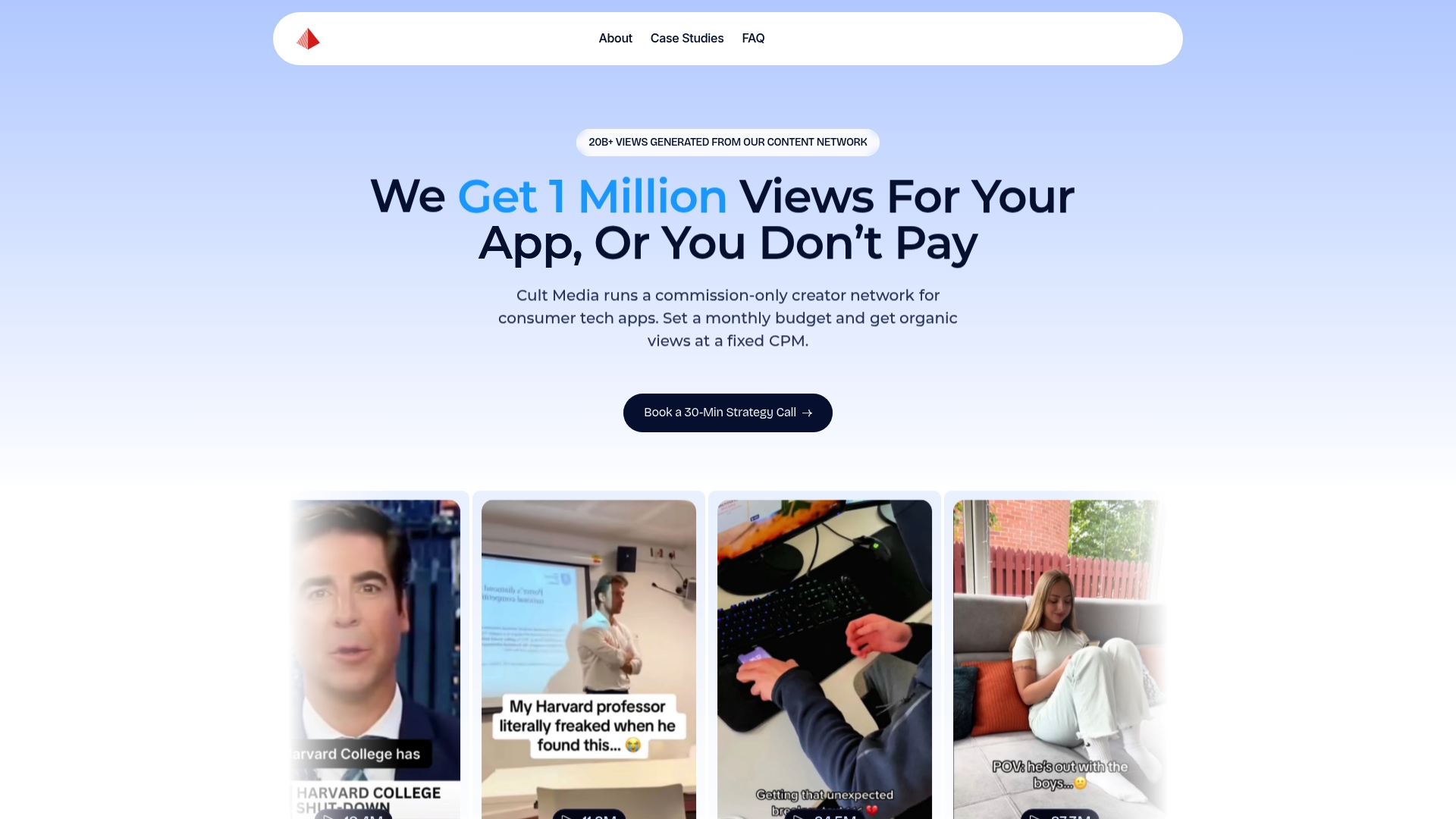
The model pairs custom UGC strategy with end-to-end creator management, so brands get guaranteed view campaigns without staffing a sourcing, briefing, and compliance function from scratch.
- The 0G Labs content engine shows how a managed creator program supported a company through a $290 million raise.
- Additional case studies cover outcomes across other consumer app launches.
If your team wants guaranteed views without building the operating system described above in-house, see how the commission-only creator network works.
Where to check the compliance rules and SOPs yourself
Review the FTC's endorsement guides and the APEC influencer advertising standards directly. Onboarding, moderation, and launch-plan templates referenced above are linked in their respective sections.
Sources
- APEC: Influencer advertising standards (2025)
- Legifrance: French advertising and consumer protection provisions (example of national rules)
FAQ
How much do influencers pay their managers?
Influencer managers typically take a commission on the deals they negotiate rather than charging the influencer a flat fee. Rates vary widely by market and manager relationship, so there's no single published standard figure to cite.
How many followers do you need to be a paid influencer?
There's no universal follower threshold since brands pay based on engagement quality, audience fit, and niche relevance rather than follower count alone. Creators with smaller, highly engaged audiences often land paid deals before larger accounts with weak engagement.
Do I need an LLC to be a content creator?
Forming an LLC isn't required to work as a content creator, though many creators set one up for liability protection and tax purposes as income grows. The right structure depends on local business and tax rules, so check with a qualified accountant or attorney in your jurisdiction.
How do influencers get management?
Influencers typically get management by signing with an agency or manager who sources brand deals, negotiates rates, and handles briefing and contracts on their behalf. Some are approached directly by managers after building an engaged following, while others apply to agencies or managed creator networks.